Blog ·
Window Treatments That Enhance Rather Than Block Light
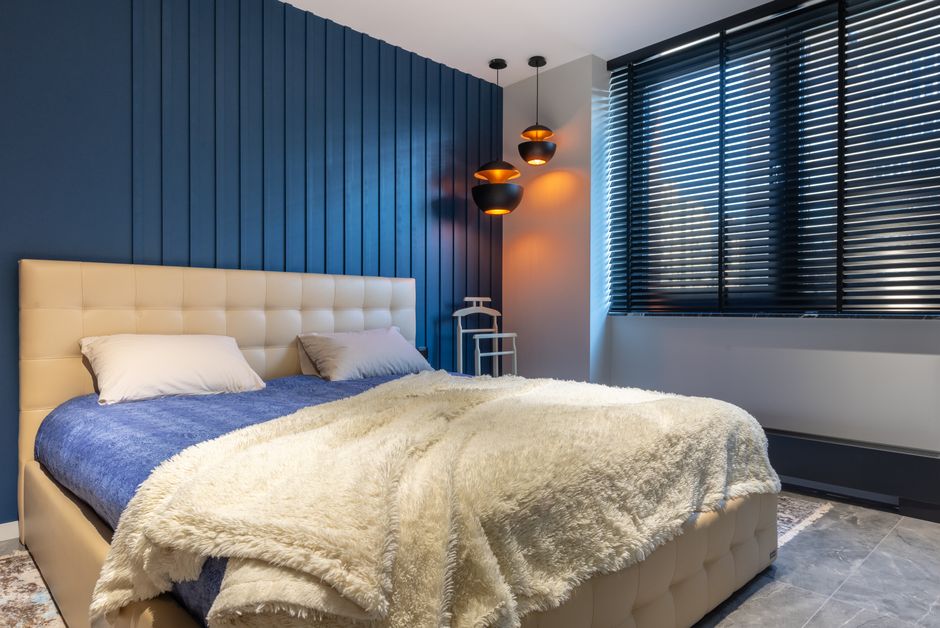
Many people believe controlling natural light means closing curtains and blocking windows. In reality, thoughtful window treatments can enhance your ability to work with natural light rather than against it.
Sheer curtains and lightweight fabrics filter harsh sunlight while maintaining brightness. They reduce glare that causes eye strain and can fade furnishings, yet they allow soft, diffused light to fill rooms. Sheers also provide privacy without darkening spaces. Layering sheers with heavier curtains gives you flexible control—use sheers during bright daylight for soft diffusion, and add heavier panels for evening privacy or temperature control.
Roller shades and cellular shades with semi-transparent fabrics work similarly. These allow light to enter while diffusing its intensity. Many offer adjustable slats so you control exactly how much light enters at any moment, giving you precision without complete darkness.
Positioning treatments strategically matters. Inside-mount shades and curtains let light enter around edges and through uncovered upper portions of windows. This maintains brightness while allowing some control. Top-down shades roll down from above, allowing light to enter from the bottom while controlling glare from higher angles—particularly useful for desks or reading areas positioned below windows.
For rooms requiring maximum light—home offices, studios, or very dark spaces—minimal window treatment or none at all serves you better. If privacy concerns necessitate coverage, sheer alone provides adequate concealment to outsiders while transmitting most available light indoors.
Consider seasonal adjustments. Install treatments you can easily modify. During winter, completely open curtains to capture every bit of precious low-angle sunlight. In summer, close sheers during peak afternoon hours to manage heat and glare while maintaining diffused brightness.
Avoid heavy, dark fabrics that absorb light even when open. Cream, white, and pale-colored treatments reflect light effectively. Medium tones filter adequately while maintaining some reflectivity. Dark treatments absorb valuable light and should be reserved for spaces where you specifically need darkness.
Window treatments represent a balance point between your desire for natural light and your needs for privacy, temperature control, and glare reduction. Rather than viewing them as obstacles to brightness, consider them tools for managing light precisely. Well-chosen treatments allow you to work with natural light throughout the day, maintaining connection to sunlight while creating comfortable indoor environments regardless of conditions outside.