Blog ·
Understanding How Natural Light Moves Through Your Home
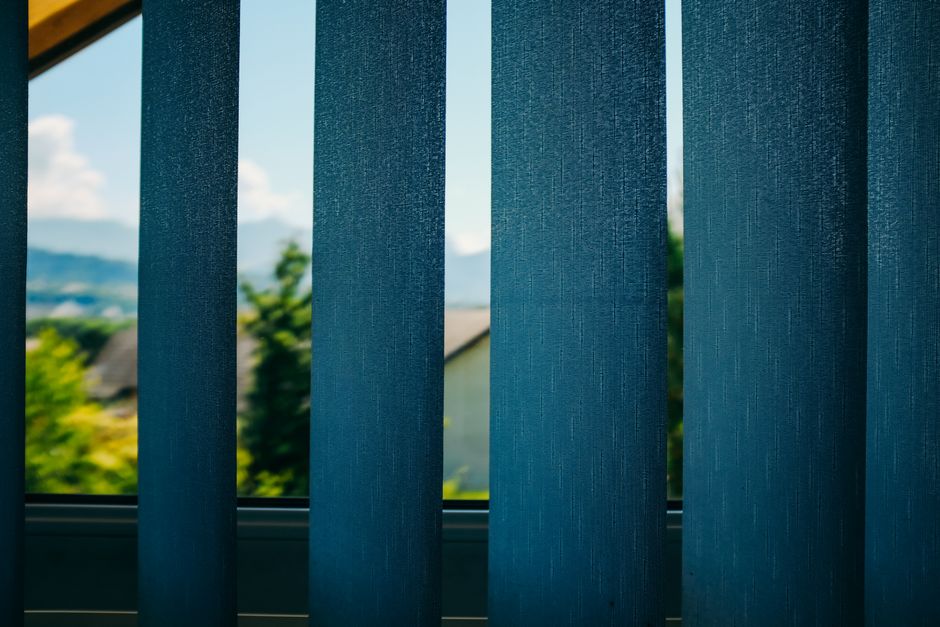
Light enters your home at different angles throughout the day and changes dramatically with the seasons. Understanding these patterns is the first step to mastering your home's natural light.
South-facing windows in the Northern Hemisphere receive consistent, bright light throughout the day. This makes them ideal for living areas where you want sustained brightness. East-facing windows deliver soft, energizing light in the morning, which naturally fades by afternoon—perfect for bedrooms or meditation spaces. West-facing windows create intense light in late afternoon, which can make rooms feel uncomfortably warm during summer months. North-facing windows provide soft, diffused light that remains relatively constant throughout the day, making them excellent for home offices or spaces where consistent lighting matters.
The seasons also matter significantly. Winter sunlight enters at a lower angle, penetrating deeper into your home than summer light, which comes from a steeper angle and may not reach inner rooms. This seasonal variation means a room that feels dark in summer might be flooded with light in winter, and vice versa.
Before making any changes to your space, spend time observing how light moves through your home. Note which rooms feel brightest at different times of day. Identify areas that feel perpetually dim. Notice how sunlight travels across your floors and walls as hours pass. This observation period—even just a few days—reveals patterns that guide all your decisions about controlling and enhancing light.
Furniture placement significantly impacts how light distributes through a room. Large pieces of dark furniture absorb light and create shadows. By repositioning these items away from primary light sources, you allow light to flow more freely. Similarly, ensure window areas remain unobstructed. Many people unknowingly block valuable light by placing bookshelves, cabinets, or other tall furniture directly in front of or beside windows.
Understanding your home's specific light characteristics prevents costly mistakes. A window treatment that works beautifully in one room may not serve another room with different light exposure. A reflective solution that enhances brightness in one space might create unwanted glare in another.
Start with observation rather than action. Walk through your home at different times—morning, midday, late afternoon—and note where light is strongest and where it falls short. Visit rooms during different seasons if possible. This baseline understanding ensures that any light-enhancing strategies you implement will actually address your home's real needs rather than generic assumptions.
Light moves predictably through homes following natural laws. By understanding these patterns, you gain the knowledge needed to work with your home's unique light rather than against it.